
There is no single standard defining warehouse automation. For some operators, it means a robotic picker handling a task autonomously; for others, it’s a fully automated system from inbound to outbound. Increasingly, a third dimension is emerging: business process automation.
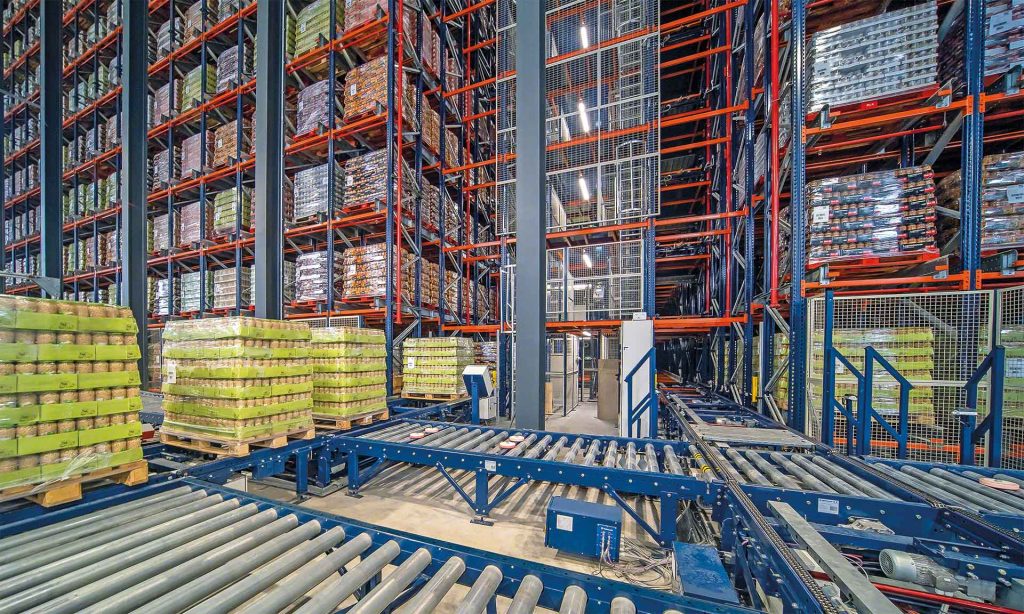
Physical automation—robots, AGVs, conveyors, or automated storage systems—remains the image most associated with automation. These technologies, emblematic of Industry 3.0, streamline material movement and order fulfillment.
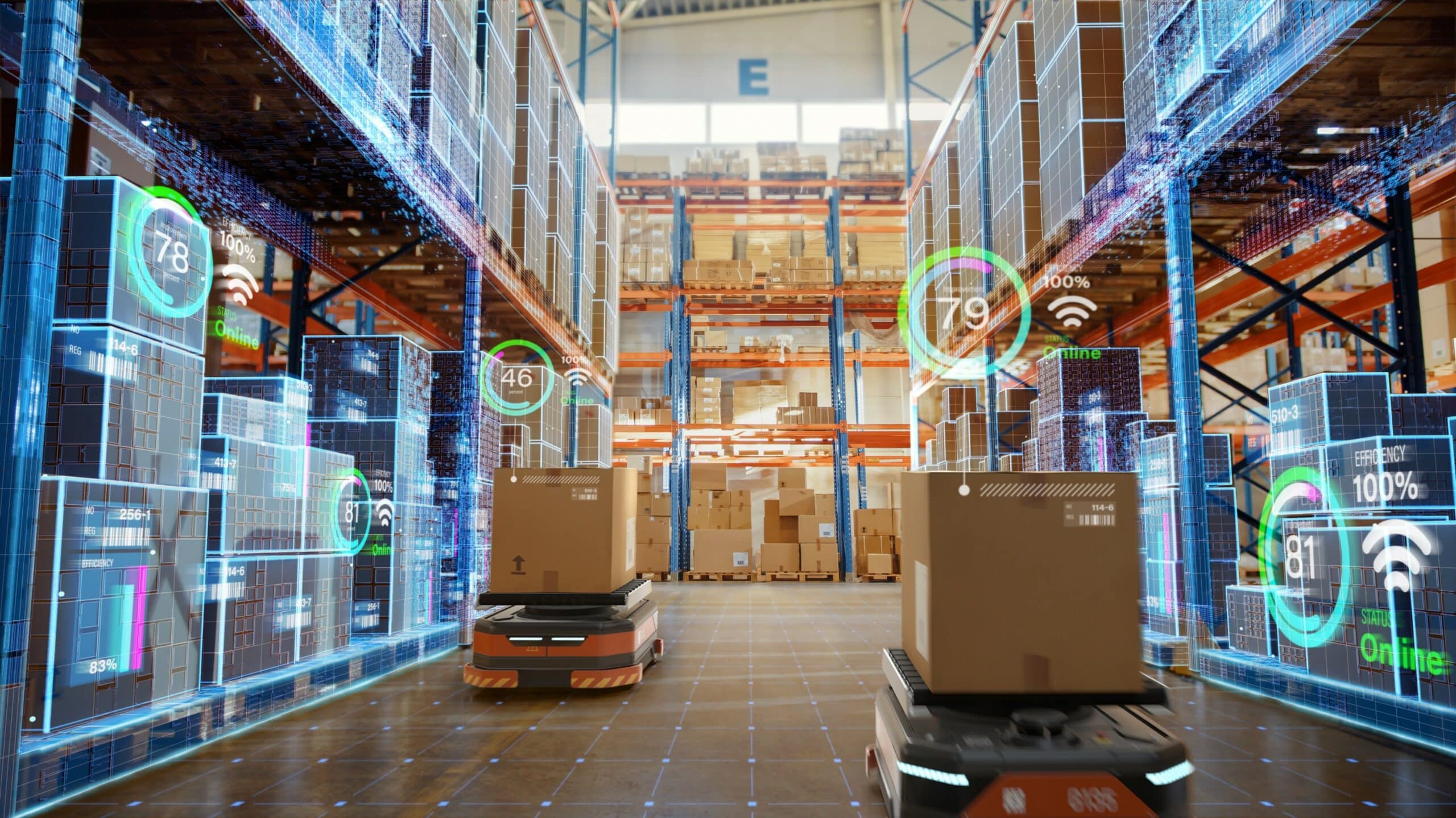
Business process automation, however, addresses the less visible inefficiencies. By digitizing workflows—order handling, inventory management, returns processing—software consolidates data from equipment, staff, and enterprise systems. The result is real-time visibility, faster decision-making, and reduced dependence on paper-based processes.
While physical automation boosts throughput, integrating process automation provides the competitive edge. It not only empowers teams with centralized data for performance tracking but also enables measurable gains: lower costs per order, higher accuracy, and reduced shrinkage. For warehouses seeking to balance cost control with revenue growth, the combination of physical and process automation is becoming the new benchmark.
1. Full visibility into warehouse KPIs
Many warehouse and distribution managers are operating in the dark. To maintain healthy inventory levels, fulfill orders accurately and respond to changes in demand, however, you need to be able to see the entire inventory flow inside your warehouse at any time.
Do you have labor ready to support the level of work required in a certain area? Is there a high-runner SKU that should be moved into a forward pick location? Is order fulfillment capacity declining, increasing or holding steady? What’s your order error rate?
If you want to be able to answer these questions with confidence, then you must know how your warehouse operations are running, and how well your KPIs align with your operational goals and standards.
Automating processes and workflows gives you visibility into each step of your warehouse and distribution center operations so that you’re prepared to answer any question that needs a fast response.
2. An understanding of current costs in real-time
In addition to keeping your finger on the pulse of operations, automation can also help you determine how much it costs to run your warehouse or distribution center. At a glance, you can track metrics like labor costs, fulfillment cost per order, inventory holding costs and power consumption cost per package.
When you know exactly how much you’re spending at any time, you have a better handle on your cost centers, labor landscape and efficiency and productivity levels. You also have the data you need to determine budget alignment, carry out accurate scenario planning and calculate return on investment (ROI).
3. The ability to pinpoint when and where money is lost
Understanding performance operations and costs also allows you to pinpoint when and where you’re losing money due to factors like inefficient processes or inventory waste.
Without insight into real-time performance and costs, you may assume that your biggest problem is in receiving. But, once you have data that tells you what’s really happening, you may realize that an inefficient transition from picking to packing is costing your warehouse money.
You can decide with confidence when and where improvements need to be made.
Transforming your own warehouse
Automation can bring added value to the daily management of your warehouse team and resources—and Heizka is here to help at each step of the process.
- To make sure we address the right automation priorities, we’ll help you identify which stakeholders should be involved in setting goals and creating your transformation roadmap
- Before you decide what equipment you need, or which processes to automate, we’ll help you establish performance baselines to assess where you are. This is achieved through Gemba walks, conversations with workers and stakeholders, and workflow assessments.
- While we work, we’ll help you uncover the bottlenecks that slow down processes and workers.
- To facilitate your decision-making, we’ll help you uncover the data hiding within your warehouse or distribution center within control systems, your warehouse management system, your enterprise resource planning (ERP system) and your people.
- Based on what we learn, we’ll present a plan that identifies where and how you can improve, along with a roadmap that helps you tackle your challenges one at a time.
- This plan also includes a strategy to make your data fully visible and accessible in whatever format you need.
- To guide your investments, we’ll help you calculate ROI on proposed improvements so you know what to expect—and where you can make the biggest impact.
Are you ready to turn what’s happening in your warehouse into actionable data? We’re here to help you prepare for the future.